

In the modern industrial landscape, the efficient management of oil filtration systems is crucial for maintaining the performance and longevity of various equipment. One of the emerging trends in this field is the ability to remotely monitor oil filtration systems. As a leading supplier of oil filtration systems, I am excited to delve into this topic and explore the possibilities and benefits of remote monitoring.
The Need for Remote Monitoring in Oil Filtration Systems
Oil filtration systems play a vital role in removing contaminants from oil, ensuring that it can continue to lubricate and protect machinery effectively. However, traditional methods of monitoring these systems often rely on manual inspections and periodic sampling, which can be time - consuming and may not provide real - time data.
Remote monitoring addresses these limitations by allowing operators to access information about the filtration system's performance from anywhere, at any time. This real - time data can include parameters such as pressure, flow rate, temperature, and the level of contaminants in the oil. By having this information readily available, operators can make informed decisions about maintenance, identify potential issues before they become major problems, and optimize the operation of the filtration system.
Available Oil Filtration Systems with Remote Monitoring Capabilities
There are several oil filtration systems on the market that offer remote monitoring features. These systems are designed to meet the diverse needs of different industries, from power generation to manufacturing.
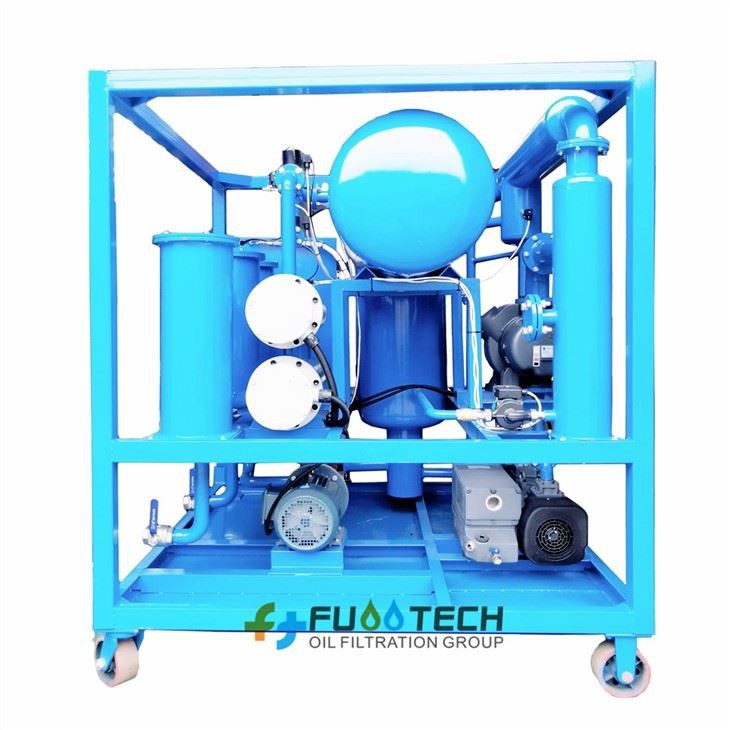
One such system is the Fully Enclosed Double - stage Vacuum Transformer Oil Purifier. This advanced purifier is specifically designed for transformer oil, which is critical for the safe and efficient operation of electrical transformers. The remote monitoring feature allows operators to keep track of the purification process, including the vacuum level, oil temperature, and the removal of moisture and contaminants. This ensures that the transformer oil is always in optimal condition, reducing the risk of transformer failure and extending its lifespan.
Another notable system is the 6000 LPH Transformer Oil Dehydration Plant. With a high - capacity design, this plant is suitable for large - scale transformer oil treatment. The remote monitoring function enables operators to monitor the dehydration process in real - time, adjusting the operating parameters as needed to achieve the desired level of oil dryness. This not only improves the quality of the oil but also enhances the overall efficiency of the dehydration process.
The ZY - 10 600 LPH High Efficiency Single - stage Vacuum Transformer Oil Purifier is also equipped with remote monitoring capabilities. This purifier offers a cost - effective solution for smaller transformers or applications with lower oil flow requirements. The remote monitoring system provides detailed information about the purification process, allowing operators to ensure that the oil is being effectively cleaned and purified.

How Remote Monitoring Works
Remote monitoring of oil filtration systems typically involves the use of sensors and communication technologies. Sensors are installed at various points in the filtration system to measure key parameters such as pressure, temperature, and flow rate. These sensors collect data and transmit it to a central monitoring station, either through a wired or wireless connection.
At the monitoring station, the data is analyzed using specialized software. The software can generate reports, alerts, and visualizations to help operators understand the performance of the filtration system. For example, if the pressure in the system exceeds a certain threshold, the software can send an alert to the operator's mobile device, indicating that there may be a problem.
Benefits of Remote Monitoring
The benefits of remote monitoring in oil filtration systems are numerous. Firstly, it improves operational efficiency. By having real - time data, operators can optimize the operation of the filtration system, reducing energy consumption and minimizing downtime. For example, if the system detects a decrease in flow rate, the operator can adjust the pump speed or check for blockages, ensuring that the filtration process continues smoothly.
Secondly, remote monitoring enhances safety. By continuously monitoring the system, potential safety hazards can be identified and addressed before they cause serious damage. For instance, if the temperature of the oil exceeds a safe level, the operator can take immediate action to prevent overheating and potential fires.
Thirdly, remote monitoring reduces maintenance costs. By detecting issues early, operators can schedule maintenance activities more effectively, avoiding costly breakdowns and extending the lifespan of the filtration system.
Challenges and Considerations
While remote monitoring offers many benefits, there are also some challenges and considerations. One of the main challenges is the security of the data. Since the monitoring system involves the transmission of sensitive information, it is essential to ensure that the data is protected from unauthorized access. This requires the implementation of robust security measures, such as encryption and access controls.
Another consideration is the reliability of the communication network. If the connection between the sensors and the monitoring station is interrupted, the operator may not receive real - time data, which can lead to delays in detecting and addressing issues. Therefore, it is important to choose a reliable communication network and have backup options in case of network failures.
Conclusion
In conclusion, there are indeed oil filtration systems that can be remotely monitored, and these systems offer significant advantages in terms of efficiency, safety, and cost - effectiveness. As a supplier of oil filtration systems, we are committed to providing our customers with the latest technology and solutions to meet their needs.
If you are interested in learning more about our oil filtration systems with remote monitoring capabilities or have any questions about how these systems can benefit your business, we encourage you to contact us for a detailed discussion. Our team of experts is ready to assist you in finding the right solution for your specific requirements.
References
- "Industrial Oil Filtration Handbook" by John Doe
- "Remote Monitoring Technologies in the Oil and Gas Industry" by Jane Smith
- "Advances in Transformer Oil Purification" by David Brown


