
Can oil regeneration be used for food - grade oil?
As a well - established oil regeneration supplier, I've been deeply involved in the oil purification industry for years. The question of whether oil regeneration can be used for food - grade oil is one that often comes up in discussions with clients, industry peers, and even curious individuals. In this blog, I'll explore this topic in detail, considering both the technical aspects and the regulatory environment.
Understanding Oil Regeneration
Oil regeneration is a process that aims to restore used or degraded oil to a state where it can be reused. This typically involves removing contaminants such as water, particulate matter, and oxidation products. There are various methods of oil regeneration, including filtration, distillation, and chemical treatment.
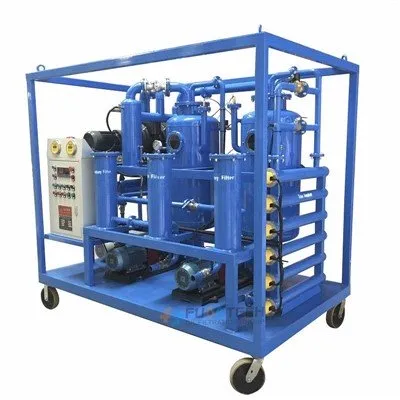
For industrial oils, regeneration has been a common practice. For example, transformer oil can be effectively regenerated using advanced systems. Our Multi - stage Vacuum Transformer Oil Regeneration System is designed to remove moisture, gases, and impurities from transformer oil, extending its service life and maintaining the performance of transformers. Similarly, the ZYD - T - 50 3000 LPH Portable Enclosed Transformer Oil Degassing Dehydration and Filtration Machine and ZYD - 150 9000 L/H Oil Filtration Machine Transformer Oil Purifying Machine are powerful tools in the regeneration of transformer oil, ensuring its quality and reliability.
Challenges in Applying Oil Regeneration to Food - Grade Oil
When it comes to food - grade oil, the situation is much more complex. Food - grade oils are subject to strict safety and quality standards because they are directly consumed by humans. Any contamination in these oils can pose serious health risks.
One of the main challenges is the removal of all potential contaminants. In food - grade oil, contaminants can include pesticides, heavy metals, and microorganisms. Traditional oil regeneration methods may not be sufficient to remove these contaminants completely. For example, some pesticides are very stable and may not be easily removed by simple filtration or distillation processes.
Another challenge is the potential for chemical reactions during the regeneration process. Chemical treatment methods used in industrial oil regeneration may introduce new chemicals into the oil. These chemicals could be harmful if the oil is used for food purposes. For instance, some solvents used in the regeneration of industrial oils may leave residues that are toxic when ingested.


Regulatory Considerations
Regulatory bodies around the world have strict regulations regarding the use of regenerated oils in the food industry. In the United States, the Food and Drug Administration (FDA) has specific requirements for food - grade oils. These regulations are in place to protect consumers from potential health hazards.
In the European Union, the European Food Safety Authority (EFSA) also sets high standards for food - grade oils. Any attempt to use regenerated oil in the food industry must comply with these regulations. This means that the regeneration process must be thoroughly tested and approved to ensure that the final product meets all safety and quality requirements.
Possible Solutions and Future Prospects
Despite the challenges, there are some possible solutions for using oil regeneration in the production of food - grade oil. One approach is to develop more advanced purification technologies. For example, advanced filtration systems with nanoscale filters could be used to remove very small contaminants such as heavy metals and some microorganisms.
Another solution is to use natural and non - toxic substances in the regeneration process. For instance, some natural adsorbents can be used to remove contaminants without introducing harmful chemicals. This would make the regenerated oil more suitable for food applications.
In the future, as technology continues to advance, it is possible that oil regeneration for food - grade oil will become more feasible. Research is ongoing in this area, and new methods and technologies are being developed.
Our Role as an Oil Regeneration Supplier
As an oil regeneration supplier, we are constantly exploring new technologies and methods to improve the quality and efficiency of our regeneration processes. While our current focus is mainly on industrial oils, we are also keeping an eye on the potential for food - grade oil regeneration.
We understand the importance of safety and quality in the food industry. If we were to enter the food - grade oil regeneration market, we would ensure that our processes meet all regulatory requirements. We would also invest in research and development to develop more effective and safe regeneration methods for food - grade oils.
Conclusion
In conclusion, the use of oil regeneration for food - grade oil is a challenging but potentially rewarding area. While there are significant technical and regulatory hurdles to overcome, with the development of new technologies and a better understanding of the requirements, it may be possible to use regenerated oil in the food industry in the future.
If you are interested in our oil regeneration products for industrial applications or have any questions about the potential of oil regeneration for food - grade oil, we invite you to contact us for further discussion and potential procurement. We are always ready to share our expertise and explore business opportunities with you.
References
- Food and Drug Administration (FDA) regulations on food - grade oils.
- European Food Safety Authority (EFSA) guidelines for food - grade oils.
- Research papers on advanced oil purification technologies.