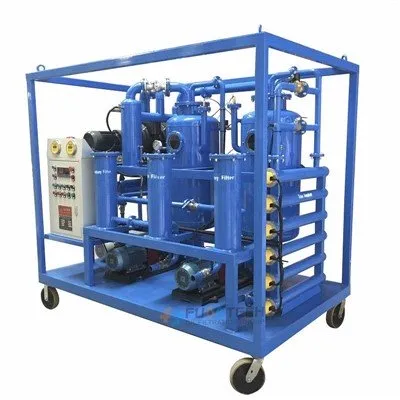

Maintaining the ultimate pressure of a vacuum pumping system is crucial for ensuring its optimal performance and efficiency in various industrial applications. As a leading vacuum pumping system supplier, we understand the significance of this aspect and are committed to providing high - quality solutions along with practical advice on maintenance.
Understanding the Ultimate Pressure of a Vacuum Pumping System
The ultimate pressure of a vacuum pumping system refers to the lowest pressure that the system can achieve under specific conditions. It is a fundamental parameter that determines the system's ability to create and maintain a vacuum environment. In industrial processes such as semiconductor manufacturing, food packaging, and scientific research, a stable and low ultimate pressure is often required to ensure the quality and reliability of the products or experiments.
Several factors can influence the ultimate pressure of a vacuum pumping system. The design and quality of the vacuum pump itself are primary factors. For instance, FTVS Double - stage Vacuum Pump Set is designed with a double - stage structure, which can effectively reduce the pressure to a lower level compared to single - stage pumps. The internal components of the pump, such as the rotor, vanes, and seals, also play a crucial role. Any wear, damage, or improper installation of these components can lead to air leakage, thus affecting the ultimate pressure.


In addition to the pump, the connecting pipes, valves, and fittings in the vacuum system can also impact the ultimate pressure. Leaky pipes or malfunctioning valves can introduce external air into the system, causing the pressure to rise. Therefore, a well - designed and properly installed system is essential for achieving and maintaining the desired ultimate pressure.
Regular Inspection and Maintenance
Regular inspection is the cornerstone of maintaining the ultimate pressure of a vacuum pumping system. First, visually inspect the entire system for any signs of physical damage. Check the pipes for cracks, the valves for proper operation, and the pump housing for any leaks or corrosion. For example, if there are any visible signs of oil leakage from the pump, it may indicate a problem with the seals or gaskets, which should be addressed immediately.
Next, check the oil level and quality in the vacuum pump. The oil in an oil - sealed vacuum pump serves multiple functions, including lubrication, sealing, and heat dissipation. Over time, the oil can become contaminated with dirt, moisture, and other impurities, which can reduce its effectiveness and affect the pump's performance. Therefore, it is recommended to regularly change the oil according to the manufacturer's instructions. For our FTMS Multi - stage Vacuum Pump Set, we provide detailed guidelines on oil change intervals and the type of oil to use.
The filters in the vacuum system also need regular maintenance. Filters are used to remove particles and contaminants from the air or gas being pumped, preventing them from entering the pump and causing damage. Clogged filters can restrict the flow of air, increasing the load on the pump and reducing the ultimate pressure. Therefore, clean or replace the filters as needed to ensure proper operation of the system.
Leak Detection and Repair
Leak detection is an important part of maintaining the ultimate pressure of a vacuum pumping system. Even a small leak can have a significant impact on the system's performance, causing the pressure to rise and reducing the efficiency of the pump. There are several methods for leak detection.
One common method is the pressure rise test. In this test, the vacuum system is first pumped down to a certain pressure and then isolated from the pump. The pressure in the system is then monitored over a period of time. If the pressure rises significantly, it indicates that there is a leak in the system. Another method is the use of a helium leak detector. Helium is a small molecule that can easily penetrate small leaks. By spraying helium around potential leak points and using a helium leak detector to detect the presence of helium inside the system, leaks can be accurately located.
Once a leak is detected, it is important to repair it as soon as possible. Depending on the location and nature of the leak, different repair methods can be used. For small leaks in pipes or fittings, sealing compounds can be used to seal the leak. For more serious leaks, such as those in the pump housing or valves, replacement of the damaged components may be necessary.
Proper Operation and Control
Proper operation and control of the vacuum pumping system are also essential for maintaining the ultimate pressure. Operators should be trained to follow the correct operating procedures. For example, when starting the pump, it should be pre - heated and allowed to reach a stable operating temperature before starting to pump down the system. This can help to prevent damage to the pump and ensure its normal operation.
In addition, the system should be equipped with appropriate control devices, such as pressure sensors and controllers. These devices can monitor the pressure in the system in real - time and adjust the operation of the pump accordingly. For example, our VPS - 300 Vacuum Pumping Machine is equipped with advanced control systems that can automatically adjust the pump speed and operation mode according to the pressure requirements, ensuring a stable ultimate pressure.
Environmental Considerations
The operating environment can also affect the ultimate pressure of a vacuum pumping system. High temperatures, high humidity, and dusty environments can all have a negative impact on the performance of the pump. In high - temperature environments, the oil in the pump can become thinner, reducing its sealing and lubricating properties. In high - humidity environments, moisture can enter the pump and cause corrosion and damage to the internal components.
Therefore, it is important to install the vacuum pumping system in a suitable environment. If necessary, cooling devices can be installed to maintain the proper operating temperature of the pump. In dusty environments, dust - proof devices can be used to protect the pump from dust contamination.
Training and Technical Support
As a vacuum pumping system supplier, we not only provide high - quality products but also offer comprehensive training and technical support services. We can provide training for operators on the correct operation and maintenance of our vacuum pumping systems. Our technical support team is also available to answer any questions and provide solutions to any problems that may arise during the operation of the system.
Conclusion
Maintaining the ultimate pressure of a vacuum pumping system requires a combination of regular inspection, leak detection and repair, proper operation and control, environmental consideration, and professional training and support. By following these guidelines, users can ensure the optimal performance and long - term reliability of their vacuum pumping systems.
If you are interested in our vacuum pumping systems or need further advice on maintaining the ultimate pressure, please feel free to contact us for a detailed discussion. We are always ready to provide you with the best solutions for your specific needs.
References
- Vacuum Technology Handbook, edited by various experts in the field of vacuum technology.
- Manufacturer's manuals for FTVS Double - stage Vacuum Pump Set, FTMS Multi - stage Vacuum Pump Set, and VPS - 300 Vacuum Pumping Machine.
- Research papers on vacuum pumping system performance and maintenance in relevant scientific and industrial journals.