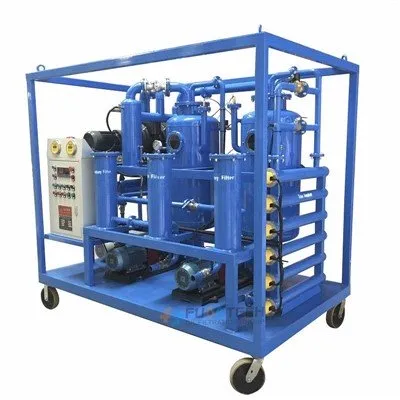

Transporting a vacuum oil filter unit is a crucial process that requires careful planning and execution. As a supplier of vacuum oil filter units, I've encountered various challenges and learned effective strategies for seamless transportation. In this blog, I'll share some insights on how to transport these units safely and efficiently.
Pre - transport Preparations
Before you even think about moving the vacuum oil filter unit, there are several steps you need to take. First off, you've got to do a thorough inspection of the unit. Check for any loose parts, damage, or signs of wear and tear. Tighten all the bolts and screws, and make sure all the connections are secure. This is important because any loose components can get damaged during transit, and that's going to cost you time and money to fix later.
Next, drain all the oil from the unit. Oil can spill during transportation, which not only creates a mess but can also be a safety hazard. Plus, it's better for the environment if you don't have oil leaking everywhere. Once the oil is drained, clean the unit to remove any dirt or debris. A clean unit is less likely to have problems during transport and will also be easier to handle.
Documentation is another key aspect. Make sure you have all the necessary paperwork, such as the bill of lading, shipping instructions, and any special permits required for transporting the unit. This will help ensure a smooth process at customs and other check - points, especially if you're shipping internationally.
Choosing the Right Transport Method
There are several options when it comes to transporting a vacuum oil filter unit. The choice depends on various factors like the size and weight of the unit, the distance of the shipment, and your budget.
Road Transport
For local or short - distance shipments, road transport is often the most convenient option. You can use a flatbed truck or a enclosed trailer. If you choose a flatbed truck, make sure the unit is properly secured with straps or chains to prevent it from shifting during transit. An enclosed trailer provides more protection from the elements, such as rain, dust, and debris.
Rail Transport
If you're shipping over longer distances within the same country, rail transport can be a cost - effective option. However, you need to be aware that rail transport may involve multiple transfers, which can increase the risk of damage. Make sure the unit is well - packaged and properly labeled for easy handling at each transfer point.
Sea Transport
For international shipments, sea transport is usually the go - to option. You'll need to choose between a full container load (FCL) or a less - than - container load (LCL). If your unit is large enough to fill a container, FCL is the best choice as it provides more protection and reduces the risk of damage from other cargo. LCL is suitable for smaller units but may expose the unit to more handling and potential damage.
Packaging the Vacuum Oil Filter Unit
Proper packaging is essential to protect the unit during transport. Start by wrapping the unit with a protective material, such as bubble wrap or foam padding. This will absorb any shocks or vibrations during transit.
If the unit has any protruding parts or delicate components, make sure to cover them with additional padding. You can also use custom - made wooden crates for added protection. The crate should be sturdy enough to withstand the rigors of transportation and should be properly labeled with handling instructions.
Loading and Unloading
Loading and unloading the vacuum oil filter unit require special care. Use appropriate equipment, such as forklifts or cranes, to lift the unit. Make sure the equipment is in good working condition and that the operators are trained and experienced.
When loading the unit onto the transport vehicle, place it in a stable position. If using a flatbed truck, center the unit to prevent it from tipping over during transit. Secure the unit tightly to the vehicle using straps or chains.
During unloading, follow the same safety procedures. Take your time to ensure that the unit is safely removed from the vehicle and placed in its intended location.
Insurance
No matter how careful you are, there's always a risk of damage during transportation. That's why it's important to get insurance for your vacuum oil filter unit. Contact your insurance provider and make sure you have adequate coverage for the value of the unit. This will give you peace of mind knowing that you're protected in case of any unforeseen events.
Examples of Vacuum Oil Filter Units
We offer a range of vacuum oil filter units, each with its own unique features. For example, the OLTC On Load Tap Changer Transformer Oil Purifier is designed specifically for transformers with on - load tap changers. It can effectively remove impurities and moisture from the oil, ensuring the smooth operation of the transformer.
The ZY - 10 600 LPH Vacuum Transformer Oil Filtration Machine With PLC Controller is another great option. With a high - flow rate and a PLC controller, it offers precise control and efficient filtration.
And if you need a mobile solution, the ZYD Fully Enclosed Mobile Transformer Vacuum Oil Purifier With Trailer is ideal. It comes with a trailer for easy transportation and is fully enclosed to protect it from the elements.


Conclusion
Transporting a vacuum oil filter unit is a complex process that requires careful planning and attention to detail. By following the steps outlined in this blog, you can ensure that your unit arrives at its destination safely and in good condition.
If you're interested in purchasing a vacuum oil filter unit or have any questions about transportation, feel free to reach out. We're here to help you with all your oil filtration needs.
References
- General knowledge from years of experience in the vacuum oil filter unit supply industry.
- Industry best practices for transporting heavy equipment.