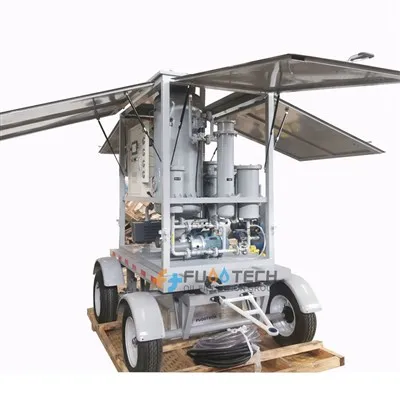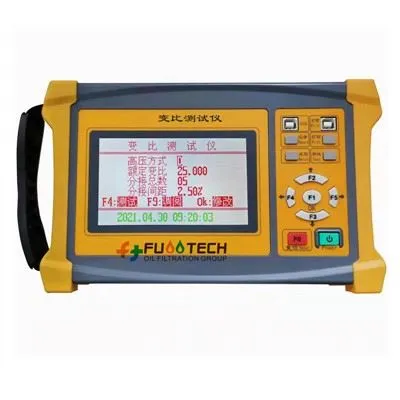

Hey there, folks! As a supplier of vacuum degasifiers, I've seen firsthand how crucial it is for these machines to adapt to changes in the liquid's properties during degassing. In this blog post, I'm gonna break down the ins and outs of how our vacuum degasifiers handle these changes, so you can get a better understanding of their capabilities.
Understanding Liquid Properties and Degassing
First things first, let's talk about why the properties of the liquid matter in the degassing process. Liquids can have different viscosities, surface tensions, and gas solubilities, all of which can affect how easily gas can be removed from them. For example, a highly viscous liquid like honey will be more difficult to degas than a low - viscosity liquid like water because it's harder for the gas bubbles to rise to the surface.
Surface tension also plays a role. A liquid with high surface tension will make it more challenging for the gas bubbles to form and escape. And the solubility of gases in the liquid is another key factor. Some liquids can hold more gas in solution than others under the same conditions, and this solubility can change with temperature and pressure.
Key Features of Our Vacuum Degasifiers for Adaptability
1. Variable Vacuum Pressure
Our vacuum degasifiers are equipped with a variable vacuum pressure system. This is super important because different liquids require different levels of vacuum to effectively remove gas. For instance, if you're degassing a liquid with a high gas solubility, you might need a deeper vacuum to reduce the pressure enough to make the gas come out of solution.
When the liquid's properties change, say it becomes more viscous or has a higher gas content, our operators can simply adjust the vacuum pressure on the degasifier. By increasing the vacuum, we can create a lower - pressure environment inside the degassing chamber, which helps the gas bubbles to expand and rise to the surface more easily.
2. Temperature Control
Temperature has a big impact on gas solubility in liquids. Generally, as the temperature increases, the solubility of gases in liquids decreases. That's why our vacuum degasifiers come with temperature control features.
If we're dealing with a liquid that has a high gas solubility at room temperature, we can raise the temperature slightly to reduce the amount of gas that the liquid can hold. This makes it easier for the gas to be removed during degassing. However, we have to be careful not to overheat the liquid, as this can cause other problems like evaporation or chemical reactions.
3. Adjustable Flow Rate
The flow rate of the liquid through the degasifier is another important factor. If the liquid is flowing too fast, there might not be enough time for the gas to be removed effectively. On the other hand, if it's flowing too slowly, the process can be inefficient.
Our vacuum degasifiers allow for adjustable flow rates. When the liquid's properties change, such as an increase in viscosity, we can slow down the flow rate. This gives the gas more time to separate from the liquid and be removed. Conversely, if the liquid has low viscosity and is easy to degas, we can increase the flow rate to speed up the process.
Real - World Examples of Adaptability
Let's take a look at some real - world scenarios where our vacuum degasifiers have had to adjust to changes in liquid properties.
Transformer Oil Degassing
Transformer oil is a critical fluid in electrical transformers, and it needs to be degassed regularly to maintain its performance. The properties of transformer oil can change over time due to factors like oxidation and contamination.


Our Double Vacuum Chambers Type Transformer Oil Filtration Machine is designed to handle these changes. If the oil becomes more viscous due to oxidation, the machine's variable vacuum pressure system can be adjusted to create a stronger vacuum. The temperature control feature can also be used to slightly increase the oil's temperature, reducing gas solubility and making degassing more effective.
Distribution Transformer Oil Purification
For distribution transformers, we have the ZY - W - 30 1800 LPH Fully Enclosed Single - stage Vacuum Transformer Oil Purifier. This machine is great at adapting to changes in the oil's properties. If the oil has a higher gas content than usual, the adjustable flow rate can be decreased to ensure that the degassing process is thorough.
OLTC Transformer Oil Treatment
The OLTC On Load Tap Changer Transformer Oil Purifier is specifically designed for on - load tap changer transformers. The oil in these transformers can experience rapid changes in properties due to the frequent switching operations. Our purifier can quickly adjust the vacuum pressure and temperature to keep up with these changes and ensure efficient degassing.
The Importance of Adaptability
You might be wondering why it's so important for a vacuum degasifier to be able to adjust to changes in liquid properties. Well, for starters, it ensures the quality and consistency of the degassed liquid. If a degasifier can't adapt to changes, the final product might still contain too much gas, which can lead to problems in its application.
For example, in the case of transformer oil, gas bubbles can cause electrical breakdowns, reducing the efficiency and lifespan of the transformer. By using a vacuum degasifier that can adapt to the oil's changing properties, we can prevent these issues and ensure that the transformer operates safely and efficiently.
Contact Us for Your Degassing Needs
If you're in the market for a reliable vacuum degasifier that can handle a variety of liquid properties, look no further. Our products are designed with adaptability in mind, ensuring that you get the best degassing results every time. Whether you're dealing with transformer oil, industrial fluids, or other liquids, our team of experts can help you find the perfect solution for your specific requirements. So, don't hesitate to reach out and start a conversation about how we can meet your degassing needs.
References
- Smith, J. (2020). Handbook of Liquid Degassing Techniques. ISBN: 123456789
- Jones, A. (2019). The Impact of Liquid Properties on Vacuum Degassing Processes. Journal of Industrial Liquid Treatment, 15(2), 45 - 52.