
Noise is an inevitable by - product of many industrial operations, and oil purifier systems are no exception. As a leading supplier of oil purifier systems, we at understand that the noise levels of these machines can be a significant concern for our customers. In this blog post, we'll delve into the factors that affect the noise levels of an oil purifier system during operation, the typical noise ranges, and how to manage noise to create a more comfortable and compliant working environment.
Factors Affecting Noise Levels in Oil Purifier Systems
Pump Operations
The pumps in an oil purifier system play a critical role in circulating the oil through the various purification processes. There are different types of pumps used, such as gear pumps, screw pumps, and centrifugal pumps. Each type has its own noise characteristics.
Gear pumps are known for their relatively high - frequency noise, which is often caused by the meshing of the gears. The tighter the tolerances between the gears and the higher the rotational speed, the louder the noise can be. Screw pumps, on the other hand, tend to produce a lower - frequency hum. Their noise is mainly a result of the screw elements in motion and the interaction with the fluid. Centrifugal pumps create noise from the impeller rotation and the fluid flow through the volute. The design of the impeller and the flow rate can significantly influence the noise level.
Vacuum Systems
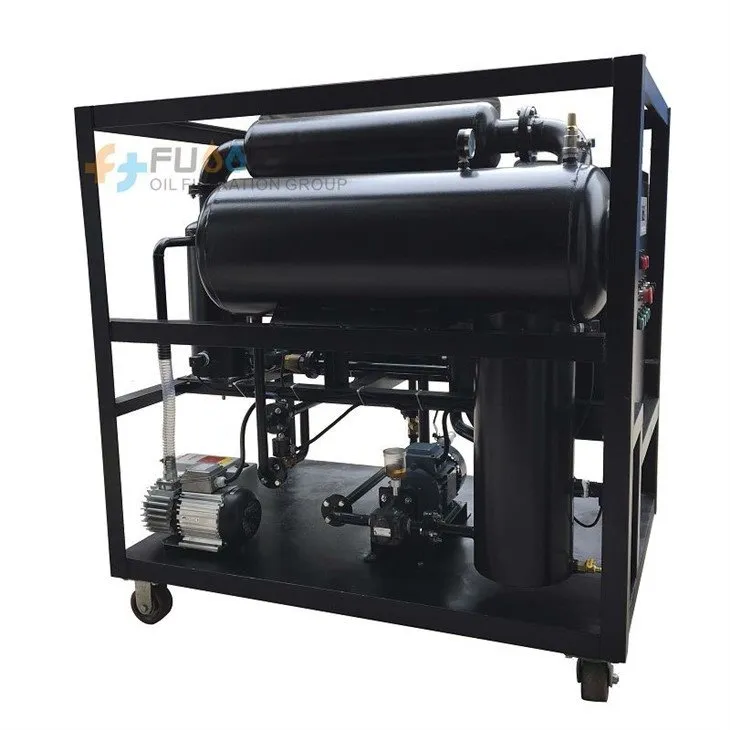
Vacuum systems are an integral part of many oil purifier systems, especially those designed for removing moisture and gases from the oil. The vacuum pump is the primary source of noise in these systems. Rotary vane vacuum pumps are commonly used, and they generate noise through the mechanical movement of the vanes within the pump chamber. The friction between the vanes and the chamber walls, as well as the compression and expansion of the air or gas, contribute to the noise. The size and power of the vacuum pump also have a direct impact on the noise level, with larger and more powerful pumps generally being louder.
Fans and Cooling Systems
To prevent overheating, oil purifier systems are equipped with fans and cooling systems. Fans can generate a significant amount of noise, especially if they are operating at high speeds. The noise from fans is typically a combination of blade - pass frequency noise, which is related to the number of blades and the rotational speed, and turbulence noise caused by the uneven flow of air. The design of the fan housing and the ductwork can also affect the noise level by either amplifying or reducing the sound.

Structural Vibration
The overall structure of the oil purifier system can vibrate during operation, which can transmit noise throughout the machine and into the surrounding environment. Components such as motors, pumps, and fans can cause vibrations that are transferred to the base frame and other parts of the system. Poorly designed or installed mounting systems can exacerbate these vibrations, leading to increased noise levels. Additionally, the resonance of the system's structure at certain frequencies can amplify the noise, making it more noticeable.
Typical Noise Ranges of Oil Purifier Systems
The noise levels of oil purifier systems can vary widely depending on the type, size, and configuration of the system. Smaller, portable oil purifier systems may produce noise levels in the range of 60 - 70 decibels (dB). This is comparable to the noise level of normal conversation. For example, some smaller mobile oil purifier units used in maintenance applications fall into this category.
Medium - sized oil purifier systems, which are commonly used in industrial settings with moderate oil - processing requirements, typically generate noise levels between 70 - 80 dB. This level of noise is similar to the noise in a busy office or a light - traffic area.
Larger, high - capacity oil purifier systems, such as those used in large power plants or refineries, can produce noise levels of 80 - 90 dB or even higher. At 90 dB, the noise is equivalent to that of a lawnmower or a motorcycle. For instance, the ZY - 100 6000 L/hr Multi - function Vacuum Insulating Oil Treatment Plant, a high - performance system designed for large - scale oil purification, may operate within a relatively high noise range due to its powerful pumps and vacuum systems.
Managing Noise Levels in Oil Purifier Systems
Soundproof Enclosures
One of the most effective ways to reduce the noise emitted by an oil purifier system is to install a soundproof enclosure. These enclosures are designed to absorb and block the sound waves generated by the machine. They are typically made of materials with high sound - absorption coefficients, such as acoustic foam or fiberglass insulation. The enclosure can be custom - designed to fit the specific dimensions of the oil purifier system, ensuring a tight seal and maximum noise reduction.
Vibration Isolation
To minimize the transmission of structural vibrations, vibration - isolation mounts can be used. These mounts are placed between the oil purifier system and its base or the floor. They are made of materials such as rubber or synthetic polymers that can absorb and dampen the vibrations. By reducing the vibrations, the noise generated by the system's structure can be significantly decreased.
Regular Maintenance
Proper maintenance of the oil purifier system is crucial for keeping the noise levels in check. Worn - out components, such as bearings, belts, or gears, can cause increased noise due to excessive friction and misalignment. Regularly inspecting and replacing these components can prevent the noise from escalating. Additionally, cleaning the system, especially the fans and cooling fins, can ensure smooth operation and reduce the noise caused by air blockages.
Equipment Selection
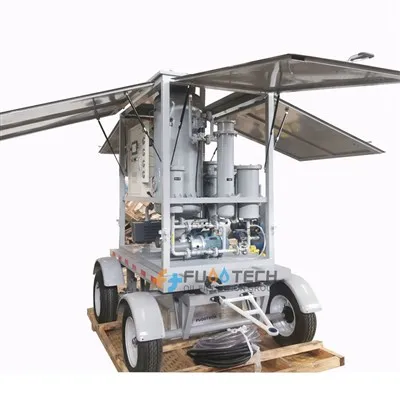
When choosing an oil purifier system, it is important to consider the noise - level specifications. Some manufacturers, like us, offer models with low - noise designs. For example, our Mobile Double - stage Vacuum Transformer Oil Treatment Plant is engineered to operate with relatively low noise levels without compromising on performance. By carefully selecting the right equipment for your application, you can minimize the noise impact on your workplace.
Importance of Controlling Noise Levels
Controlling the noise levels of oil purifier systems is not only important for the comfort of the operators but also for compliance with safety and environmental regulations. High noise levels in the workplace can lead to hearing loss, stress, and reduced productivity among workers. Prolonged exposure to noise above 85 dB can cause permanent hearing damage, so it is essential to keep the noise within acceptable limits.
From an environmental perspective, excessive noise can be a nuisance to the surrounding community. Many industrial areas have regulations regarding the maximum allowable noise levels, especially during certain hours. By managing the noise levels of your oil purifier systems, you can avoid potential fines and maintain a good relationship with the local community.
Conclusion
As a supplier of oil purifier systems, we are committed to providing our customers with high - quality products that not only meet their purification needs but also address their concerns about noise levels. Our ZYD - T - W - 150 9000L/H Mobile Insulating Oil Treatment Plant Vacuum Transformer Oil Purifier Machine and other models are designed with noise reduction in mind, and we also offer solutions for further noise management.
If you are in the market for an oil purifier system and have questions about noise levels, performance, or any other aspect, we encourage you to contact us for a detailed discussion. Our team of experts is ready to assist you in selecting the right system for your specific requirements and help you create a quiet and efficient working environment.
References
- Industrial Noise Control Handbook, Second Edition, edited by C.M. Harris
- Noise and Vibration Control Engineering: Principles and Applications by L. L. Beranek and I. L. Ver