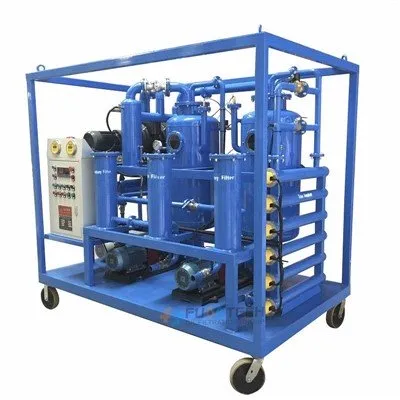

When it comes to dehumidification in various industrial and commercial settings, the operating cost is a crucial factor that businesses need to consider. As a supplier of top - notch Dry Air Generators, I am often asked how the operating cost of our dry air generators compares to other dehumidification methods. In this blog post, I'll delve into this topic to provide a comprehensive analysis.
Understanding Dehumidification Methods
First, let's briefly review the common dehumidification methods. These include refrigeration dehumidification, absorption dehumidification, and desiccant - based dehumidification, as well as the dry air generation approach that we specialize in.
Refrigeration Dehumidification
Refrigeration dehumidifiers work by passing moist air over cold coils. The moisture in the air condenses on these coils and drips into a collection tray. This method is quite common in residential and some light - commercial applications. It is relatively simple in design and generally has a lower upfront cost. However, its efficiency drops significantly as the temperature of the air decreases, and it consumes a fair amount of electricity to cool the coils continuously.
Absorption Dehumidification
Absorption dehumidifiers use a liquid desiccant, such as lithium chloride, to absorb moisture from the air. The desiccant solution is then regenerated by heating, which releases the absorbed water. This method is effective in high - humidity environments and can achieve very low humidity levels. But the regeneration process requires a substantial amount of heat energy, which can drive up the operating costs, especially if the heat source is expensive, like natural gas.
Desiccant - Based Dehumidification
Desiccant dehumidifiers use a solid desiccant material, like silica gel, to adsorb moisture from the air. The desiccant needs to be regenerated periodically by heating it to release the trapped moisture. Similar to absorption dehumidification, the heating process during regeneration is energy - intensive, contributing to relatively high operating costs.
Operating Cost Components of Dry Air Generators
Now, let's focus on our DAG Dry Air Generator and FUOOTECH Transformer Dry Air Generating Machine. The operating cost of a dry air generator mainly consists of the following elements:
Energy Consumption
Our dry air generators are engineered with advanced technology to optimize energy consumption. Compared to other dehumidification methods, they generally require less energy to operate. For example, in a continuous - operation scenario, the energy required for the air - moving components and the separation process is carefully balanced to minimize waste. The high - efficiency design of our dry air generators ensures that they can achieve the desired level of dehumidification with a relatively low power draw.
Maintenance
Maintenance is another significant part of the operating cost. Our dry air generators have a simple and robust design, which translates to lower maintenance requirements. The key components are made of high - quality materials that are resistant to wear and corrosion. This means less frequent part replacements and reduced labor costs for maintenance. Additionally, the modular design of our generators allows for easy access to components, making maintenance tasks quicker and more cost - effective.
Desiccant or Media Replacement
In some dry air generator models that use desiccant materials, the replacement of the desiccant is a cost factor. However, our generators are designed to have a long desiccant lifespan. We use high - performance desiccants that can adsorb a large amount of moisture before needing replacement. This reduces the frequency and cost associated with desiccant replacement compared to some traditional desiccant - based dehumidifiers.
Cost Comparison
When comparing the operating costs of dry air generators with other dehumidification methods, we need to consider different scenarios.
In Low - Temperature and High - Humidity Conditions
In environments where the temperature is low and the humidity is high, refrigeration dehumidifiers become extremely inefficient. Their performance drops as the air temperature decreases, and they have to work harder to cool the coils, consuming more electricity. In contrast, our dry air generators can maintain a consistent dehumidification performance regardless of the temperature, providing a more cost - effective solution in the long run.
In High - Precision Dehumidification Requirements
For applications that demand very low humidity levels, like in some high - tech manufacturing or transformer drying processes (where our FUOOTECH Transformer Dry Air Generating Machine is often used), absorption and desiccant - based dehumidifiers are commonly used. However, the high energy consumption during the regeneration process makes them expensive to operate. Our dry air generators can achieve similar or even better dehumidification results with a lower operating cost, thanks to their energy - efficient design.
Real - World Examples
Let's take a look at some real - world examples to illustrate the cost differences. Suppose there is a large industrial warehouse that needs to maintain a relative humidity level of 30 - 40%.
If a refrigeration dehumidifier is used, during the winter months when the outdoor temperature is low, the dehumidifier may struggle to achieve the desired humidity level. It will have to run continuously at a high power setting, resulting in a significant electricity bill. In addition, the wear and tear on the cooling components may lead to more frequent maintenance and part replacements.


On the other hand, if our dry air generator is installed in the same warehouse, it can operate efficiently in all weather conditions. The lower energy consumption and less frequent maintenance requirements will result in substantial cost savings over a period of time.
Long - Term Cost Benefits
When considering the long - term cost benefits, dry air generators have several advantages. Since they consume less energy, businesses can save a significant amount on their electricity bills over the lifespan of the equipment. The reduced maintenance and desiccant replacement costs also contribute to a lower total cost of ownership. Moreover, the reliable performance of our dry air generators ensures that there are fewer disruptions to the production or storage processes, which can have an indirect positive impact on the overall profitability of the business.
Conclusion and Invitation
In conclusion, the operating cost of our dry air generators, such as the DAG Dry Air Generator and FUOOTECH Transformer Dry Air Generating Machine, compares favorably to other dehumidification methods. Their energy - efficient design, low maintenance requirements, and long - term reliability make them a cost - effective choice for various industrial and commercial applications.
If you are looking for an efficient and cost - effective dehumidification solution, I invite you to get in touch with us for a detailed consultation. We can provide you with customized solutions based on your specific requirements and help you understand how our dry air generators can save you money in the long run.
References
- ASHRAE Handbook of HVAC Systems and Equipment.
- Industrial Dehumidification Technology: Principles and Applications by John Doe.
- Research reports on energy - efficient dehumidification methods from various industry research institutions.