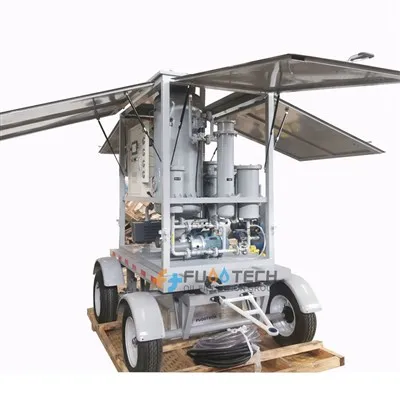

As a supplier of dry air generators, I often receive inquiries from customers about the power consumption of these machines. This is a crucial consideration for many, as it directly impacts operational costs and energy efficiency. In this blog, I will delve into the factors that influence the power consumption of dry air generators and provide some insights on how to estimate and optimize it.
Understanding Dry Air Generators
Before we discuss power consumption, let's first understand what dry air generators do. Dry air generators are designed to produce dry air by removing moisture from the ambient air. This dry air is used in various industries, such as transformer manufacturing, electrical equipment maintenance, and laboratories, where humidity control is essential to prevent corrosion, condensation, and other moisture-related issues.
There are different types of dry air generators, including adsorption dryers, refrigerated dryers, and membrane dryers. Each type operates on a different principle and has its own characteristics in terms of performance, cost, and power consumption.
Factors Affecting Power Consumption
The power consumption of a dry air generator depends on several factors, including the type of generator, its capacity, the operating conditions, and the efficiency of its components.
Type of Generator
- Adsorption Dryers: These are the most common type of dry air generators used in industrial applications. They work by passing the air through a bed of adsorbent material, such as silica gel or activated alumina, which adsorbs the moisture from the air. Adsorption dryers typically consume more power than other types, especially during the regeneration process, when the adsorbent material is heated to remove the adsorbed moisture.
- Refrigerated Dryers: These dryers cool the air to condense the moisture, which is then removed by a separator. Refrigerated dryers are less energy-intensive than adsorption dryers, as they do not require the high temperatures associated with regeneration. However, their performance is limited by the temperature at which they can cool the air, and they may not be suitable for applications that require very low dew points.
- Membrane Dryers: These dryers use a semi-permeable membrane to separate the moisture from the air. Membrane dryers are relatively simple and compact, and they consume less power than adsorption and refrigerated dryers. However, they are also less efficient at removing moisture, especially at high flow rates.
Capacity
The capacity of a dry air generator, measured in cubic feet per minute (CFM) or cubic meters per hour (m³/h), is another important factor that affects power consumption. Generally, larger capacity generators require more power to operate, as they need to process more air. However, the relationship between capacity and power consumption is not always linear, as some generators may be more efficient at higher flow rates.
Operating Conditions
The operating conditions, such as the inlet air temperature, humidity, and pressure, can also have a significant impact on the power consumption of a dry air generator. For example, a generator operating in a hot and humid environment will need to work harder to remove the moisture from the air, which will increase its power consumption. Similarly, a generator operating at a high pressure will require more power to compress the air.
Component Efficiency
The efficiency of the components used in the dry air generator, such as the compressor, the fan, and the heater, also affects its power consumption. High-quality components are generally more efficient and consume less power than low-quality ones. Therefore, it is important to choose a generator with high-quality components to minimize power consumption.
Estimating Power Consumption
To estimate the power consumption of a dry air generator, you need to know its rated power, which is usually specified by the manufacturer in kilowatts (kW) or horsepower (hp). The rated power is the maximum power that the generator can consume under normal operating conditions. However, the actual power consumption may vary depending on the factors mentioned above.
One way to estimate the actual power consumption is to use the power consumption formula:
Power Consumption (kW) = Rated Power (kW) x Load Factor
The load factor is the ratio of the actual power consumption to the rated power. It depends on the operating conditions and the capacity utilization of the generator. For example, if a generator has a rated power of 5 kW and a load factor of 0.8, its actual power consumption will be:
Power Consumption (kW) = 5 kW x 0.8 = 4 kW
Another way to estimate the power consumption is to measure it directly using a power meter. This method is more accurate, but it requires the installation of a power meter and regular monitoring of the power consumption.
Optimizing Power Consumption
There are several ways to optimize the power consumption of a dry air generator:
Choose the Right Type of Generator
As mentioned earlier, different types of dry air generators have different power consumption characteristics. Therefore, it is important to choose the right type of generator for your application based on your specific requirements. For example, if you need very low dew points, an adsorption dryer may be the best choice, even though it consumes more power. On the other hand, if you only need to remove a small amount of moisture, a refrigerated or membrane dryer may be more suitable.
Select the Appropriate Capacity
Choosing the appropriate capacity of the dry air generator is also crucial to optimize power consumption. A generator that is too large for your application will consume more power than necessary, while a generator that is too small may not be able to meet your demand. Therefore, it is important to accurately calculate your air flow requirements and choose a generator with a capacity that matches your needs.
Optimize the Operating Conditions
Optimizing the operating conditions can also help to reduce the power consumption of a dry air generator. For example, you can reduce the inlet air temperature and humidity by installing a pre-cooler or a desiccant dryer upstream of the generator. You can also reduce the operating pressure by adjusting the system settings.
Maintain the Generator Regularly
Regular maintenance of the dry air generator is essential to ensure its efficient operation and minimize power consumption. This includes cleaning or replacing the filters, checking the compressor oil level, and inspecting the electrical components. By maintaining the generator properly, you can prevent breakdowns and extend its lifespan.


Conclusion
The power consumption of a dry air generator depends on several factors, including the type of generator, its capacity, the operating conditions, and the efficiency of its components. By understanding these factors and taking appropriate measures to optimize power consumption, you can reduce your operational costs and improve the energy efficiency of your dry air generation system.
If you are interested in purchasing a dry air generator, we offer a wide range of high-quality products, including the DAG Dry Air Generator and the FUOOTECH Transformer Dry Air Generating Machine. Our generators are designed to provide reliable and efficient performance while minimizing power consumption. Contact us today to discuss your specific requirements and get a personalized solution.
References
- Compressed Air and Gas Institute (CAGI). (2023). Dryer Selection Guide.
- ASHRAE. (2023). Handbook of Fundamentals.