
As a seasoned supplier of oil regeneration plants, I've encountered numerous inquiries regarding the optimal maintenance frequency for these essential pieces of equipment. Maintaining an oil regeneration plant is crucial for ensuring its efficiency, longevity, and the quality of the regenerated oil. In this blog post, I'll delve into the factors that influence maintenance frequency and provide practical guidelines to help you keep your oil regeneration plant in top-notch condition.
Factors Influencing Maintenance Frequency
1. Operating Hours
One of the primary factors determining how often an oil regeneration plant should be maintained is the number of operating hours. Just like any other machinery, the more hours an oil regeneration plant runs, the more wear and tear it experiences. For plants that operate continuously or for extended periods, more frequent maintenance is necessary. For example, a plant that runs 24/7 may require monthly inspections and quarterly major maintenance, while a plant that operates only a few hours a day might need less frequent attention.
2. Type of Oil Being Regenerated
The type of oil being processed in the regeneration plant also plays a significant role in maintenance frequency. Different oils have varying levels of contaminants, viscosity, and chemical properties. For instance, used transformer oil may contain high levels of moisture, particulate matter, and dissolved gases, which can put more stress on the regeneration equipment. In contrast, some industrial oils with fewer contaminants may require less intensive maintenance. Plants dealing with highly contaminated oils should be maintained more frequently to prevent clogging, corrosion, and other issues.


3. Environmental Conditions
The environment in which the oil regeneration plant is located can impact its maintenance needs. Harsh environmental conditions, such as high humidity, extreme temperatures, or dusty surroundings, can accelerate the deterioration of the equipment. For example, in a coastal area with high humidity, the plant's components may be more prone to rust and corrosion. In such cases, more frequent inspections and preventive maintenance measures are essential to protect the equipment from damage.
4. Quality of the Equipment
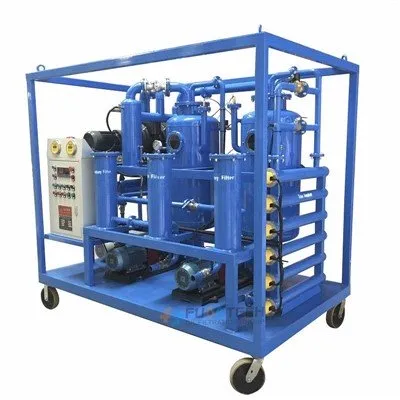
The quality and design of the oil regeneration plant itself are important factors. High-quality equipment built with durable materials and advanced technology generally requires less frequent maintenance compared to lower-quality alternatives. Investing in a reliable oil regeneration plant from a reputable supplier can save you time and money in the long run by reducing the frequency of breakdowns and major repairs. For example, our ZYD - 30 1800LPH Portable Transformer Oil Purification Machine Vacuum Oil Purifier is designed with high - quality components and advanced purification technology, which minimizes maintenance requirements while ensuring efficient oil regeneration.
General Maintenance Guidelines
1. Daily Checks
- Visual Inspection: Conduct a visual inspection of the plant before starting it each day. Check for any signs of leaks, loose connections, or abnormal vibrations. Look at the oil levels in the tanks and ensure that all gauges and indicators are functioning properly.
- Operational Checks: Monitor the operating parameters of the plant, such as temperature, pressure, and flow rate, during operation. Any significant deviations from the normal range could indicate a problem that needs to be addressed immediately.
2. Weekly Maintenance
- Filter Cleaning or Replacement: Check the filters in the oil regeneration plant and clean or replace them as needed. Filters play a crucial role in removing contaminants from the oil, and clogged filters can reduce the efficiency of the plant and cause damage to other components.
- Lubrication: Lubricate moving parts, such as pumps and motors, according to the manufacturer's recommendations. Proper lubrication reduces friction and wear, extending the lifespan of the equipment.
3. Monthly Inspections
- Component Inspection: Inspect critical components, such as valves, seals, and sensors, for signs of wear or damage. Replace any worn - out parts promptly to prevent further damage and ensure the safe and efficient operation of the plant.
- System Performance Testing: Conduct performance tests on the oil regeneration plant to ensure that it is meeting the required specifications. This may include testing the quality of the regenerated oil, the purification efficiency, and the overall system capacity.
4. Quarterly and Annual Maintenance
- Major Component Overhaul: Every quarter or annually, depending on the operating conditions, perform a major overhaul of the oil regeneration plant. This may involve disassembling and cleaning major components, such as vacuum chambers and distillation columns, and checking for any internal damage or corrosion.
- Calibration: Calibrate all instruments and sensors in the plant to ensure accurate measurement and control of the operating parameters. This is essential for maintaining the quality of the regenerated oil and the efficiency of the plant.
Case Studies
Let's take a look at two case studies to illustrate the importance of proper maintenance frequency.
Case Study 1: A Transformer Oil Regeneration Plant in a High - Contaminant Environment
A power utility company operates a transformer oil regeneration plant in an industrial area with high levels of pollution. The plant processes large volumes of used transformer oil on a daily basis. Initially, the company followed a relatively infrequent maintenance schedule, with only quarterly inspections. As a result, the plant started experiencing frequent breakdowns, clogged filters, and reduced purification efficiency. After consulting with us, the company implemented a more comprehensive maintenance plan, including daily checks, weekly filter replacements, and monthly component inspections. Since then, the plant's reliability has significantly improved, and the cost of repairs and downtime has been reduced.
Case Study 2: An Industrial Oil Regeneration Plant with Low - Contaminant Oil
A manufacturing company has an oil regeneration plant that processes industrial oils with relatively low levels of contaminants. The plant operates only a few hours a day. Based on our recommendations, the company adopted a less frequent maintenance schedule, with weekly visual inspections, monthly filter checks, and quarterly performance tests. This approach has proven to be cost - effective, as the plant has been able to operate smoothly with minimal maintenance requirements.
Conclusion
In conclusion, the maintenance frequency of an oil regeneration plant depends on several factors, including operating hours, the type of oil being regenerated, environmental conditions, and the quality of the equipment. By following a regular maintenance schedule tailored to your specific circumstances, you can ensure the efficient operation of your oil regeneration plant, extend its lifespan, and produce high - quality regenerated oil.
If you're in the market for a reliable oil regeneration plant or need advice on maintenance schedules, we're here to help. Our range of oil regeneration equipment, including the ZYD - 30 1800LPH Portable Transformer Oil Purification Machine Vacuum Oil Purifier, 6000 LPH Economical Waste Transformer Oil Recycling Used Machine Oil Purifier, and Double Vacuum Chambers Type Transformer Oil Filtration Machine, is designed to meet the diverse needs of our customers. Contact us to start a discussion about your requirements and explore how our solutions can benefit your business.
References
- Machinery Maintenance Handbook
- Industrial Oil Processing and Regeneration Guidelines