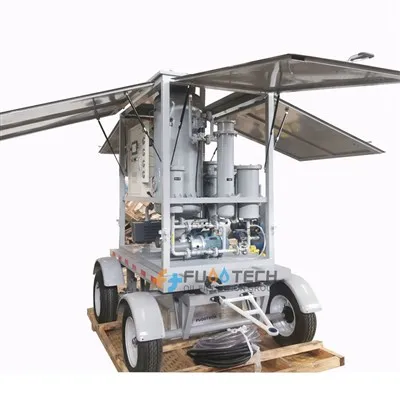

Hey there! I'm a supplier of oil purifier systems, and today I wanna chat about the requirements for the oil inlet and outlet of an oil purifier system. It's a crucial part of ensuring that these systems work effectively and keep your oil in top - notch condition.
Let's start with the oil inlet. The main purpose of the oil inlet is to bring the contaminated oil into the purifier system. Firstly, the size of the inlet matters a great deal. The diameter of the inlet should be properly sized based on the flow rate of the oil into the system. If the inlet is too small, it can cause a significant drop in the flow rate, which means the system won't be able to process the oil as quickly as it should. This can lead to longer purification times and may affect the overall efficiency of the system. On the other hand, if the inlet is too large, it might not create enough suction to pull the oil into the system properly, or it could lead to excessive air or contaminants being drawn in along with the oil.
For our Multi - stage Vacuum Transformer Oil Regeneration System, we've carefully calculated the optimal inlet size to ensure a smooth and efficient flow of transformer oil. The inlet is designed to handle a specific range of flow rates, depending on the model of the system.
Another important aspect of the oil inlet is the connection. It needs to be a secure and leak - free connection. A leak at the inlet can cause a loss of oil, which is not only wasteful but can also create a safety hazard. We recommend using high - quality connection fittings and ensuring that they are tightened properly. Depending on the type of oil and the system, different types of seals may be required. For example, in systems dealing with high - temperature oils, seals made of materials that can withstand heat are necessary.
The location of the oil inlet also plays a role. It should be placed in an area where it can easily access the oil source. In some industrial settings, the oil might be stored in large tanks. The inlet should be positioned in a way that it can draw the oil from the bottom of the tank, as this is where most of the contaminants tend to settle. However, care must be taken to avoid sucking up sediment or debris that could clog the inlet or damage the system.

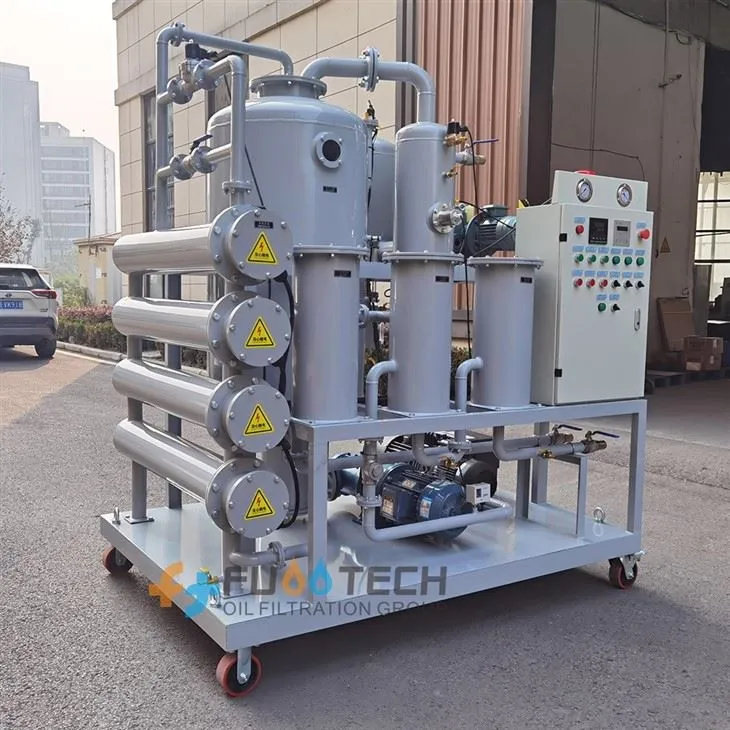
Now, let's move on to the oil outlet. The oil outlet is where the purified oil leaves the system. Similar to the inlet, the size of the outlet is important. It should be sized to match the flow rate of the purified oil leaving the system. If the outlet is too small, it can create back - pressure within the system, which can damage the internal components of the purifier. This back - pressure can also cause the system to operate less efficiently, as the oil may not be able to flow out smoothly.
For our Double - stage Vacuum Transformer Oil Filtration Machine, we've designed the outlet to ensure a seamless flow of the purified transformer oil. The outlet is engineered to handle the flow rate that the machine is capable of producing, so there's no risk of back - pressure build - up.
The connection at the oil outlet also needs to be secure. It should be able to direct the purified oil to its intended destination, whether it's back into a storage tank or directly into the equipment that uses the oil. A loose or leaky connection at the outlet can contaminate the surrounding area and waste the purified oil.
In addition to size and connection, the quality of the outlet's surface finish can impact the flow of the oil. A smooth surface finish reduces friction, allowing the oil to flow more freely. This is especially important in high - flow systems where even a small amount of friction can have a significant impact on the overall performance.
We also need to ensure that the oil outlet is protected from external contaminants. After all, we've just gone through the process of purifying the oil, and we don't want it to get contaminated again on its way out. Filters or other protective devices can be installed at the outlet to prevent any foreign particles from entering the purified oil stream.
Let's consider the 6000 LPH Economical Waste Transformer Oil Recycling Used Machine Oil Purifier. This system has specific requirements for its oil inlet and outlet. Given its relatively high flow rate of 6000 liters per hour, the inlet and outlet are sized and designed to handle this volume efficiently. The inlet is large enough to draw in the waste oil at the required rate, and the outlet is designed to expel the purified oil without any bottlenecks.
When it comes to maintenance, both the inlet and outlet need regular checks. The inlet can get clogged with debris over time, which will affect the flow of oil into the system. Cleaning the inlet and checking the connection for any signs of wear or damage should be part of the routine maintenance schedule. Similarly, the outlet can also accumulate deposits, and the connection should be inspected to ensure it remains secure.
In summary, the requirements for the oil inlet and outlet of an oil purifier system are multi - faceted. The size, connection, location, and protection of both the inlet and outlet are all crucial factors that determine the efficiency and effectiveness of the system. Whether you're dealing with transformer oil, machine oil, or any other type of oil, getting these requirements right is essential for the proper operation of the oil purifier.
If you're in the market for an oil purifier system and want to learn more about how our products meet these requirements, or if you have any specific questions about the oil inlet and outlet of our systems, don't hesitate to reach out. We're here to help you find the best solution for your oil purification needs. Let's have a chat and see how we can work together to keep your oil clean and your equipment running smoothly.
References:
- Industry standards for oil purifier systems
- Technical manuals of our oil purifier products