
Operating an oil reclamation system isn't a walk in the park. As a supplier of these systems, I've seen firsthand the importance of proper training. In this blog, I'll break down the key types of training needed to operate an oil reclamation system effectively.
Safety Training
Safety should always be the top priority when working with any industrial equipment, and oil reclamation systems are no exception. These systems often deal with flammable oils and high - pressure components, so safety training is non - negotiable.
First off, operators need to learn about personal protective equipment (PPE). This includes things like safety goggles to protect their eyes from splashes, gloves to prevent skin contact with the oil, and flame - resistant clothing in case of any potential fires. They also need to know how to properly wear and maintain this PPE.
Fire safety is another crucial aspect. Operators should be trained on how to use fire extinguishers effectively. They need to understand the different types of fires that can occur in an oil reclamation system (like Class B fires, which involve flammable liquids) and which type of extinguisher to use for each. For example, a dry chemical extinguisher is often suitable for oil fires.
Electrical safety is also vital. Since oil reclamation systems have electrical components, operators must know how to handle electrical equipment safely. This includes avoiding contact with live wires, using grounded outlets, and understanding the importance of regular electrical inspections.


Technical Training
Technical training is all about understanding how the oil reclamation system works. This starts with learning the basic components of the system. For instance, most systems have pumps, filters, and heaters. Operators need to know what each component does and how it interacts with the others.
The filtration process is a key part of oil reclamation. Operators should be trained on how to select the right filters for different types of oil and contaminants. They need to understand how to monitor the filter pressure and know when it's time to replace the filters. A clogged filter can reduce the efficiency of the system and even cause damage.
Heating and cooling are also important. The oil needs to be heated to a certain temperature to remove water and other volatile contaminants. Operators should learn how to set and control the temperature accurately. They also need to know how the cooling system works to prevent the oil from overheating.
Our company offers some great oil reclamation systems, like the ZY - 100 6000 L/hr Multi - function Vacuum Insulating Oil Treatment Plant. This system has advanced features, and operators need proper technical training to make the most of it.
Operational Training
Operational training focuses on the day - to - day tasks of running the oil reclamation system. This includes starting up and shutting down the system correctly. Operators need to follow a specific sequence of steps to ensure a smooth start - up and prevent any damage to the equipment.
During operation, they need to monitor various parameters such as flow rate, pressure, and temperature. They should know how to interpret the data from the system's gauges and sensors. If any parameter goes out of the normal range, they need to know how to troubleshoot the problem.
Maintenance is also a big part of operational training. Operators should be trained on how to perform regular maintenance tasks like cleaning the system, checking for leaks, and lubricating moving parts. Regular maintenance can extend the lifespan of the system and keep it running efficiently.
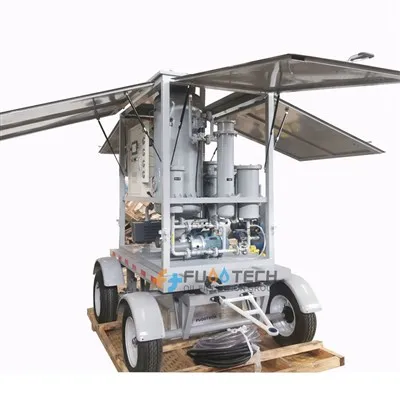
We also have the ZYD - T - W - 150 9000L/H Mobile Insulating Oil Treatment Plant Vacuum Transformer Oil Purifier Machine, which is a mobile system. Operators need to be trained on how to transport and set up this system properly.
Quality Control Training
Quality control is essential in oil reclamation. Operators need to know how to take samples of the reclaimed oil and test it for various properties. This includes testing for water content, particle size, and chemical composition.
They should be familiar with the testing equipment and know how to operate it accurately. If the test results show that the oil doesn't meet the required standards, they need to know how to adjust the system to improve the quality of the reclaimed oil.
For example, if the water content is too high, they may need to increase the heating temperature or adjust the vacuum level in the system. Our ZYD - T - 50 3000 LPH Portable Enclosed Transformer Oil Degassing Dehydration and Filtration Machine is designed to produce high - quality reclaimed oil, but proper quality control training is still needed to ensure consistent results.
Regulatory Training
There are often regulations and standards that govern the operation of oil reclamation systems. Operators need to be trained on these regulations to ensure compliance.
This includes environmental regulations. Oil reclamation can produce waste materials, and operators need to know how to handle and dispose of these wastes properly. They also need to be aware of any emissions standards and how to ensure that the system operates within these limits.
Safety regulations are also important. Operators need to know the local safety codes and how to follow them. This may include things like having proper ventilation in the work area and following specific procedures for handling hazardous materials.
Training Delivery
The training can be delivered in different ways. Classroom training is a good way to start. It allows operators to learn the theoretical aspects of the oil reclamation system, such as the principles of operation and safety regulations.
Hands - on training is also crucial. This can be done at the actual worksite, where operators can practice operating the system under the supervision of an experienced trainer. They can learn how to troubleshoot problems and perform maintenance tasks in a real - world setting.
Online training modules can also be a useful addition. These can be accessed at any time, allowing operators to review the training materials whenever they need to.
Conclusion
Proper training is essential for anyone operating an oil reclamation system. Safety, technical, operational, quality control, and regulatory training all play important roles in ensuring that the system operates efficiently and safely.
If you're in the market for an oil reclamation system and want to learn more about the training we offer, or if you have any questions about our products like the ZY - 100, ZYD - T - W - 150, or ZYD - T - 50, don't hesitate to reach out. We're here to help you make the most of your oil reclamation process.
References
- Industry standards and guidelines for oil reclamation systems
- Manufacturer's manuals for the ZY - 100, ZYD - T - W - 150, and ZYD - T - 50 oil reclamation systems
- Safety regulations and codes related to industrial equipment operation