

A digital megohmmeter, also known as a digital insulation resistance tester, is a precision instrument designed to measure high electrical resistance, typically in the range of megohms (10^6 ohms) to teraohms (10^12 ohms). Its primary function is to assess the integrity of insulation in electrical systems, equipment, and components, ensuring safety, reliability, and compliance with international standards.
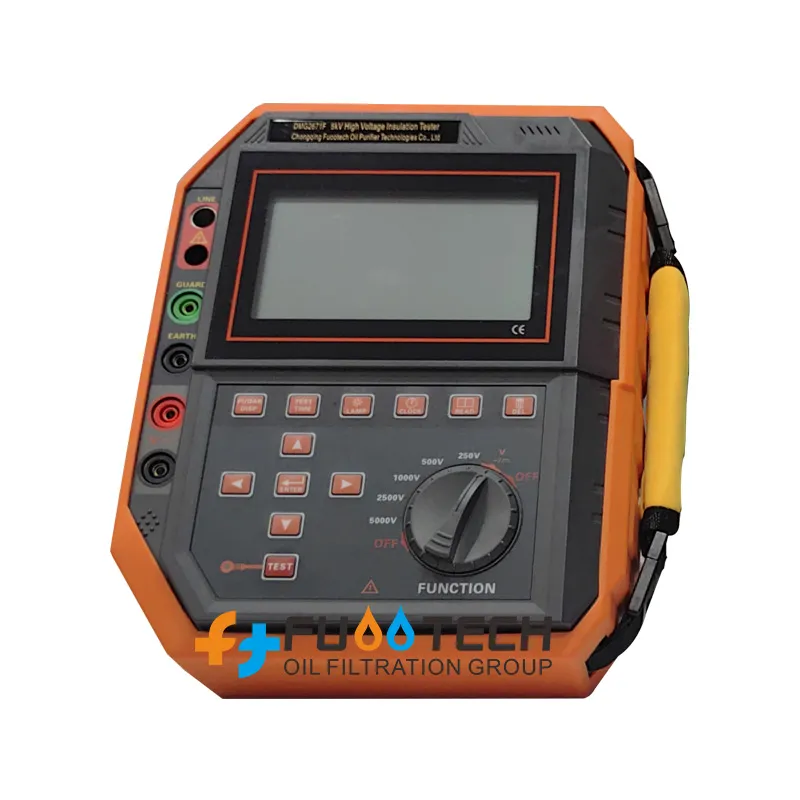
The device operates by applying a high DC voltage (ranging from 50V to 10kV, depending on the model) to the test material and measuring the resulting current flow. This allows it to calculate insulation resistance accurately. Key applications include:
1. Preventive Maintenance: Regular testing of transformers, motors, generators, and cables helps detect insulation degradation caused by moisture, aging, or contamination before failures occur.
2. Quality Assurance: Manufacturers use megohmmeters to verify the insulation quality of new components during production.
3. Troubleshooting: Engineers identify faults like short circuits, ground faults, or leakage paths in industrial and residential electrical systems.
4. Safety Compliance: Testing ensures adherence to safety standards (e.g., IEEE, IEC) in industries such as power generation, aerospace, and telecommunications.
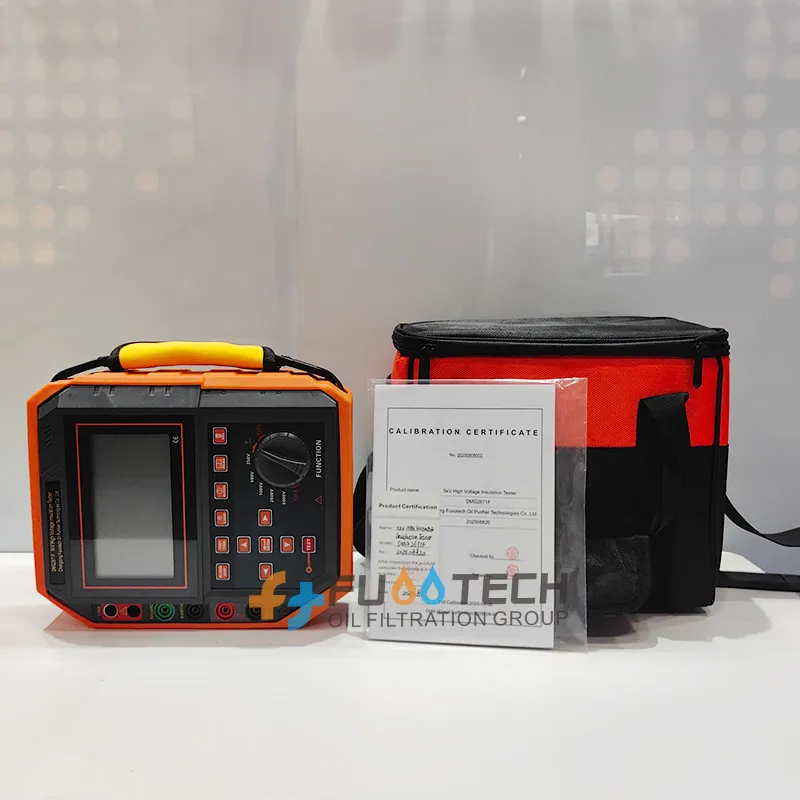
Digital megohmmeters offer advantages over analog versions, including automated testing, data logging, and enhanced accuracy. Features like programmable test voltages, polarization index (PI), and dielectric absorption ratio (DAR) provide deeper insights into insulation health.
In summary, the digital megohmmeter is indispensable for maintaining electrical system reliability, preventing hazards, and extending equipment lifespan through proactive insulation monitoring.