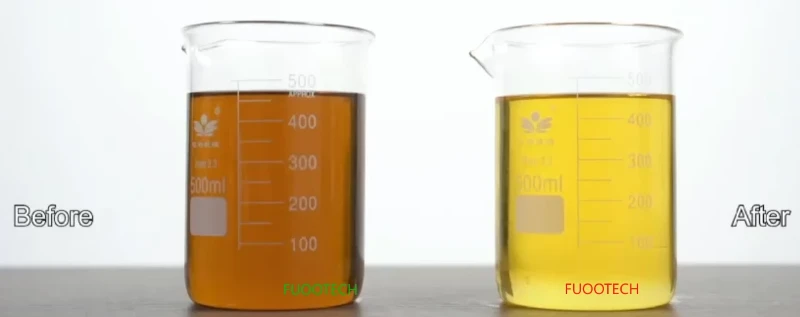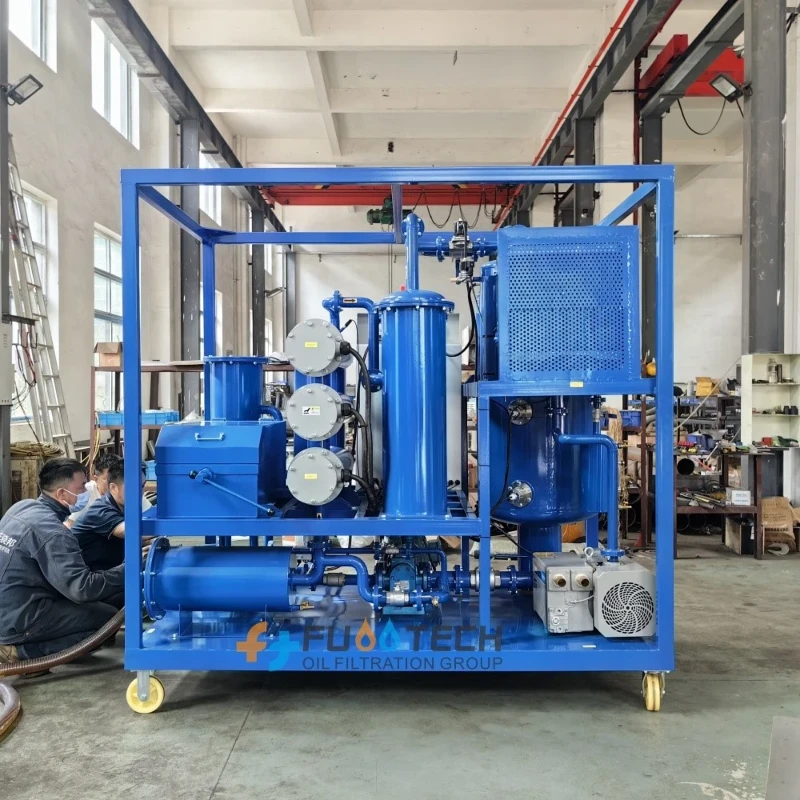


In the catering industry chain of modern society, cooking oil is like flowing gold, and the way it is handled after use directly affects environmental safety and resource utilization efficiency. Faced with the global annual production of more than 40 million tons of waste cooking oil, filtration and recycling technology is reshaping the life cycle of oil in a revolutionary manner, building a recycling system that emphasizes both economic value and ecological benefits.
1. Ecological barrier to protect green waters and green mountains
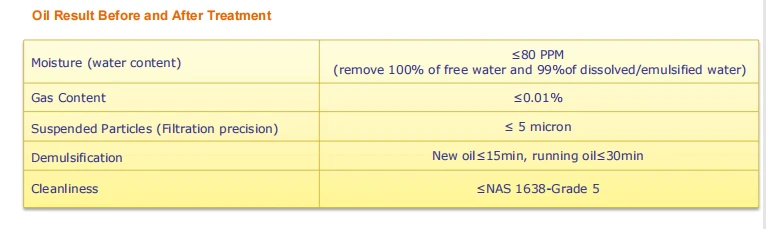
When untreated waste oil enters the sewer, it will form stubborn oil scale on the pipe wall, reducing the cross-sectional area of the drainage system by 40%-60%, directly leading to an increase in the risk of urban waterlogging. These oils and fats eventually flow into the water body. One liter of waste oil can pollute 1 million liters of fresh water, forming an oil film that hinders oxygen exchange and causes suffocating damage to the water ecosystem. The three-stage gradient filtration system can effectively remove 97% of suspended particles and impurities, so that the recycled oil meets the industrial reuse standards.
In terms of soil pollution prevention and control, filtration and recycling technology intercepts waste oil before it enters the food chain. Through the combined application of membrane separation technology and molecular sieve adsorption technology, carcinogens such as benzopyrene and aflatoxin can be accurately removed, and the heavy metal content can be reduced to less than 1/10 of the EU REACH regulatory standard. This technological breakthrough has transformed more than 2 million tons of potential pollution sources into industrial raw materials each year.
2. Powerful engine driving circular economy
In the raw material cost of biodiesel production line, filtered recycled oil is 58% lower than fresh vegetable oil. The cetane number of refined biodiesel after esterification reaction can reach more than 54, far exceeding the standard value of 48 for ordinary diesel. According to data from the German Bioenergy Association, biodiesel converted from each ton of recycled oil can reduce 2.8 tons of carbon dioxide equivalent emissions. This low-carbon attribute makes it have a premium of 30 euros per ton in the carbon trading market.
The application of recycled oil in the chemical industry is more extensive. Fatty acid methyl ester extracted by molecular distillation technology is a key raw material for the production of bio-based plastics. The case of Showa Denko in Japan shows that the cost of bioplastics produced using recycled oil is 22% lower than that of petroleum-based plastics, and the carbon emissions in the life cycle are reduced by 65%. This green material has been widely used in automotive parts, electronic product housings and other fields.
3. Build a closed loop of responsibility for sustainable development
After catering companies establish a full-cycle oil management system, the operating cost structure undergoes a fundamental change. The practice of a chain catering group in Beijing shows that the oil filtration system extends the frying oil replacement cycle by 3 times, and with the closed-loop recycling mechanism, it saves 1.2 million yuan in procurement costs each year. Driven by this economic benefit, the waste oil recovery rate in my country's catering industry has increased from 18% in 2015 to 67% in 2023.
At a time when the environmental responsibility certification system is becoming increasingly stringent, oil recovery has become an important indicator for corporate ESG ratings. McDonald's global supply chain requires suppliers to achieve a waste oil recovery rate of more than 95%. This standard forces upstream companies to invest in the construction of intelligent filtration workshops. Third-party audit data shows that companies that practice oil recovery have an average increase of 23% in brand reputation and 15% in consumer willingness to pay.
Standing at the intersection of ecological civilization and circular economy, edible oil filtration and recycling has surpassed simple technological innovation and evolved into an ecological revolution that reshapes the industrial form. When every drop of waste oil can find a way to rebirth, we will not only gain a surplus on the economic account book, but also an ecological passbook for future generations. This silent change is redefining the value of resources and writing a vivid footnote for sustainable development.