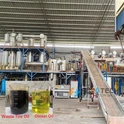


In fuel engineering, Octane and Cetane Numbers are frequently conflated by consumers, yet they quantify opposing ignition behaviors in spark-ignition (SI) and compression-ignition (CI) engines, respectively. Their distinction remains fundamental to fuel specification, blending, and engine performance as 2026 fuel standards evolve.
The octane number-typically expressed as Research Octane Number (RON) or the pump octane average-measures a gasoline's resistance to autoignition, or knock, under spark-ignition conditions. Higher octane allows engines to operate at higher compression ratios without premature detonation. Conventional pump gasoline ranges from roughly 84 to 93 octane.
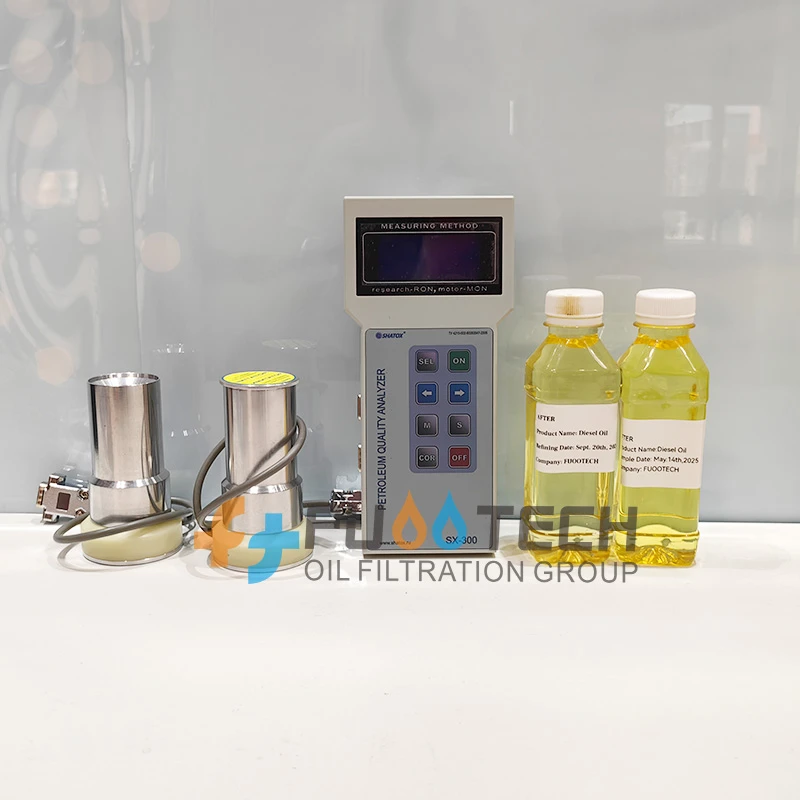
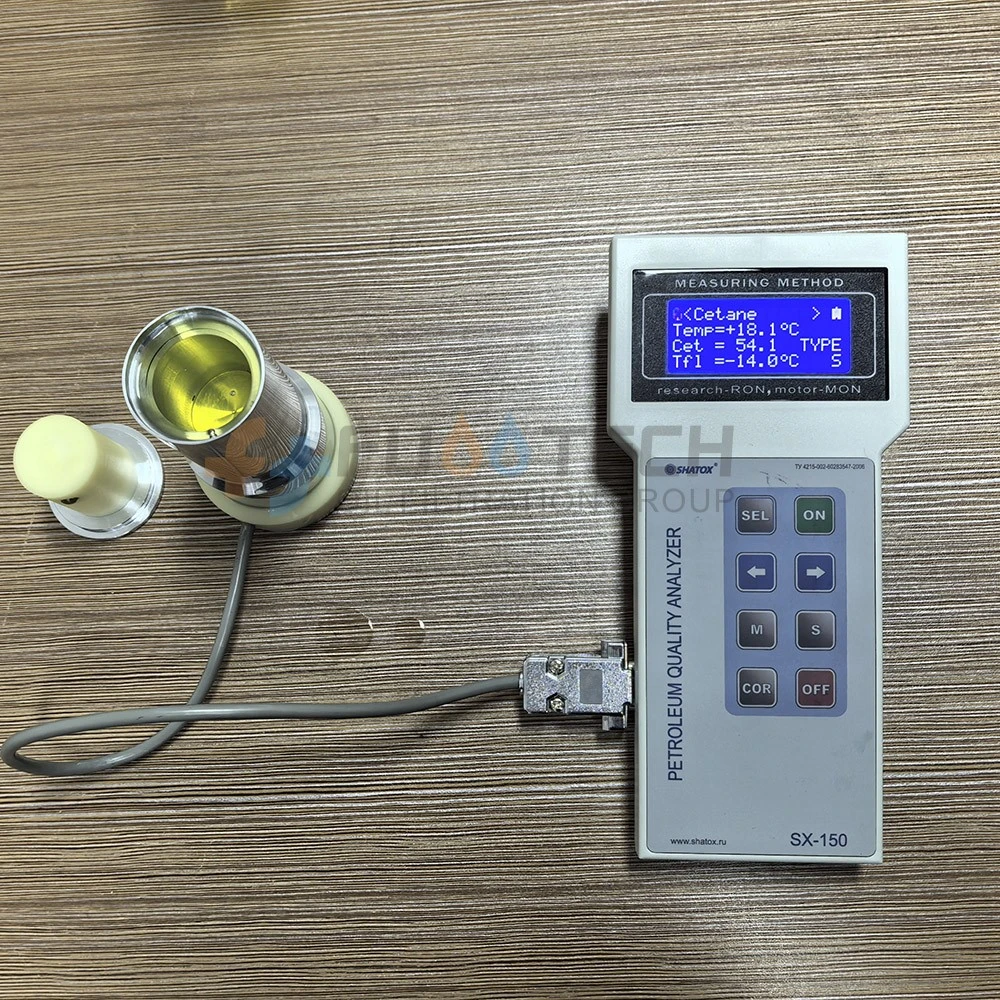
Cetane number operates in precisely the opposite direction. It quantifies a diesel fuel's willingness to auto-ignite under compression, reflecting ignition delay: higher cetane means quicker, smoother combustion and easier cold starts. Commercial diesel typically ranges from 40 to 60 cetane, with regional floors such as the EU's minimum of 51. In short, "where octane measures resistance to auto-ignition, cetane measures willingness to auto-ignite".
The two properties are measured under incompatible standardized regimes. Gasoline octane is determined in CFR engines per ASTM D2699 (RON) and D2700 (MON); diesel cetane uses ASTM D613 or derived cetane number (DCN) methods such as ASTM D6890. Gasolines are generally too autoignition-resistant for D613 testing, while diesel fuels lack the volatility required for D2699/D2700 protocols.

This distinction carries practical weight. High-octane gasoline enables efficiency through compression ratio, whereas high-cetane diesel delivers smoother combustion and reduced injector wear. As biodiesel blending increases in 2026, cetane management-often via additives-remains a critical quality lever, even as the two metrics continue to serve opposite sides of the ignition spectrum.